
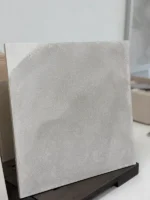



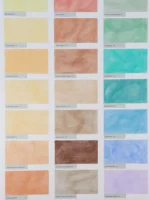
Casein glaze
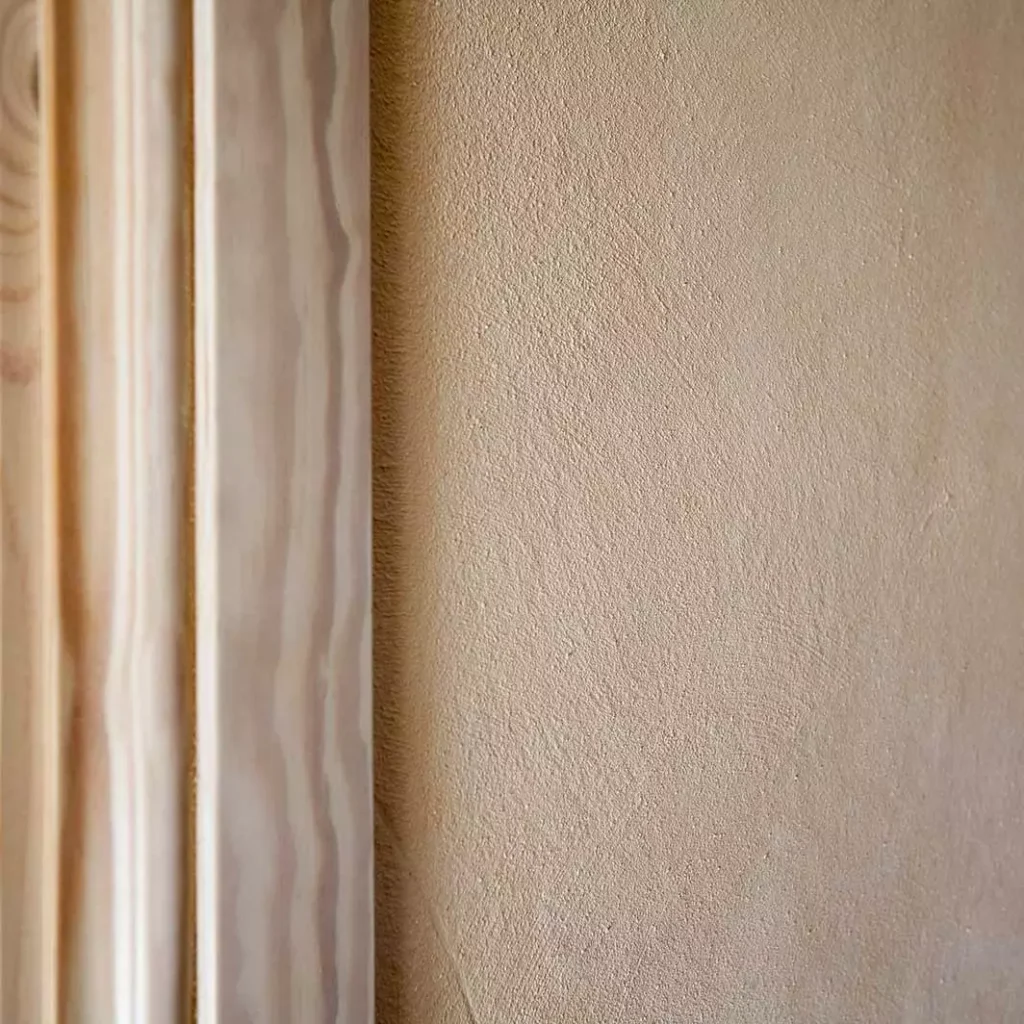
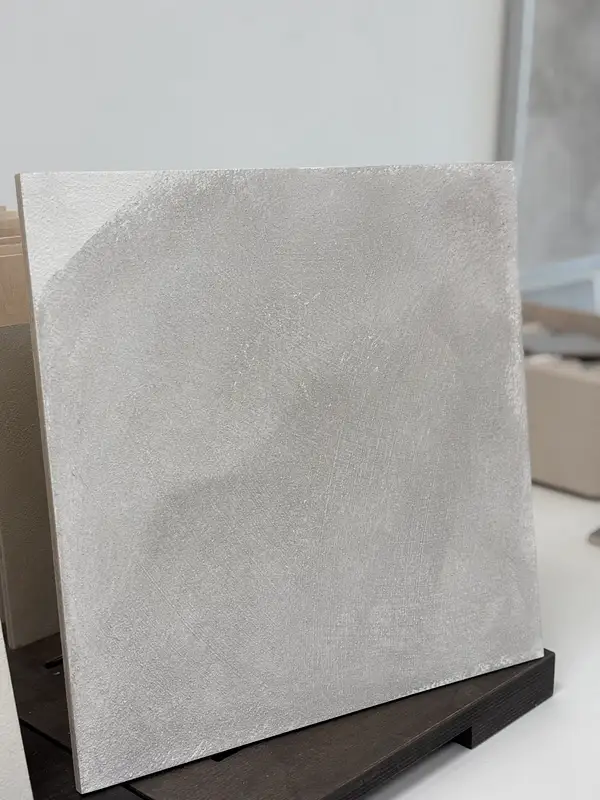
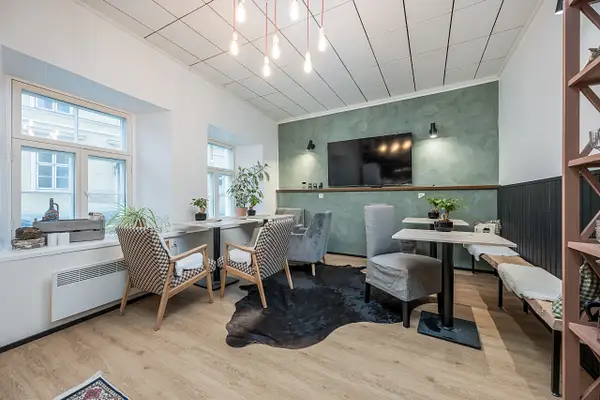
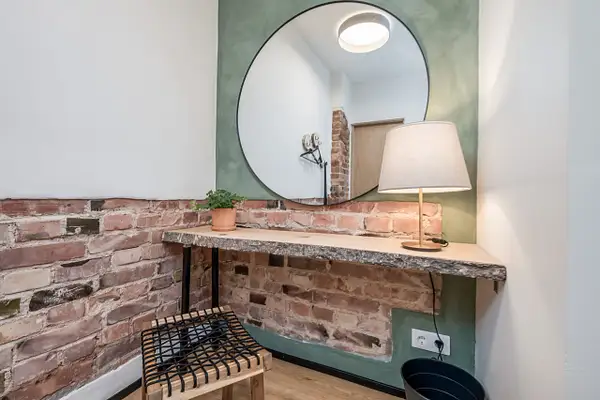
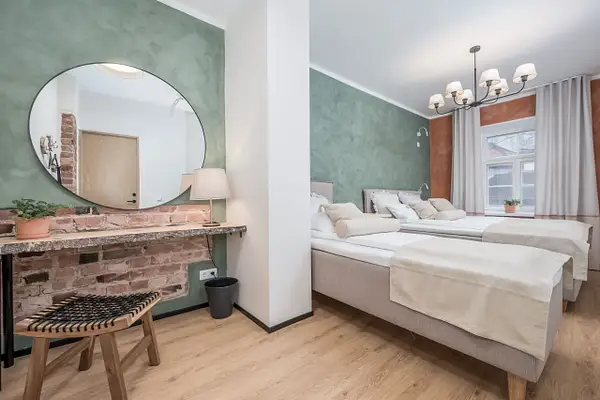
Casein glaze is a natural, breathable finishing material for creating decorative glazed surfaces, sponge techniques, and stencil patterns indoors. When tinted, it allows you to create depth, cloud-like effects, and unique surface finishes while preserving the natural texture of the substrate.
- Binder: casein
- Tools: brush, roller, sponge, cloth
- Layers: 1–2 or more thin coats of glaze
- Substrates: mineral plasters, casein paint, marble-lime plaster, marble-lime putty, marble-lime paint
Cost standard
~2 g/m²
Zones
Cost standard
~2 g/m²
Zones
Manufacturer
Manufacturer
Composition
- Casein
- Soda
- Methylcellulose
Suitable for use on all absorbent plasters and paints (e.g., Kreidezeit casein paint, brush- and roller-applied plaster, marble-lime plaster, marble-lime putty, marble-lime paint). White textured surfaces are particularly suitable as substrates. Unsuitable substrates include distempers, latex paints, synthetic surfaces, metal, wood, non-absorbent surfaces, and damp surfaces. The substrate must be structurally sound, clean, dry, stable, grease-free, and free of color-releasing and penetrating substances.
Ingredients and properties
- Based on natural casein
- Does not contain preservatives
- Diffuse and breathable
- Matte finish
- Easy to tint with natural pigments
- Ideal for stencils, sponge techniques, and creating decorative effects
- Leftovers are compostable
- Very low VOC content (< 1 g/l)
Layers and consumption
- Average consumption: approx. 2 g/m² for one layer of glaze
- Usually 1-2 layers
- When using glaze in multiple layers, the consumption depends on the desired effect and tone depth
Substrate
- The surface must be stable, clean, dry and fat-free
- Uniformly absorbent substrate provides the best result
- Suitable for mineralplasters, lime and casein paints, as well as decorative plasters
- Particularly suitable for white or lightly textured surfaces
- Unsuited for distempers, latex paints, plastic surfaces, metal, wood or damp surfaces
Tools
- Soft brush
- Decorative brush
- Roller
- Sponge
- Cotton cloth
1. Preparation of the substrate
The surface must be dry, clean and evenly absorbent. Remove dust, fat, loose layers and other contaminants that reduce adhesion.
2. Material preparation
Mix the glaze powder with cold water and dissolve carefully. Allow the mixture to swell for about 30 minutes and mix again. When tinting, first mix the pigments with water into a smooth paste and then add to the glaze mixture.
3. Application
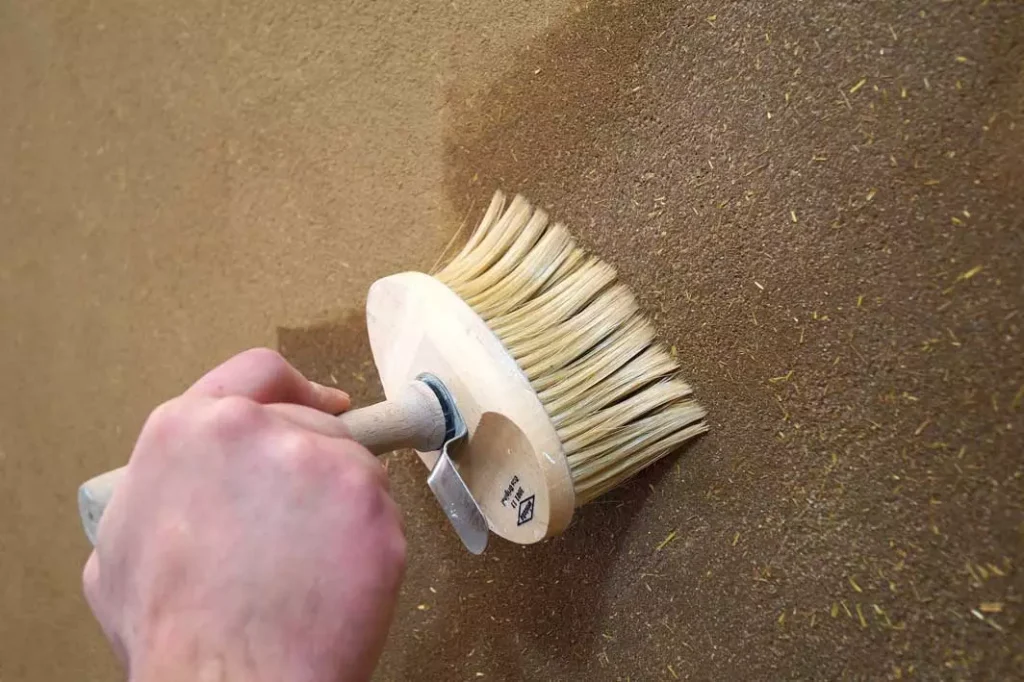
Apply to the surface with a brush, sponge, cloth or roll. The glaze can be brushed, dabbed or diffused depending on the desired effect. For an even cloudy result, we recommend the use of large soft brushes as well as criss-crossing or half-circle brush strokes.
4. Decorative techniques
Glaze layers with different shades can be applied on top of each other. Stencils, sponge techniques and effect pigments can be used. Excessive overlapping brush strokes should be avoided as those spots will dry darker.
5. Drying and conditions
- Second layer: after 4-6 hours (at +20 °C)
- Complete drying: in about 24 hours
- Mixed glaze must be used on the same day
6. Maintenance and recommendations
The wet glaze will become lighter in shade as it dries. Before working on a large surface, it is recommended to do a sample surface using the desired tone and technique. The amount of pigment should not exceed the amount of glaze powder.
HA:IM recommendation:
For best results, test the intensity of the tones first on paper or on a sample surface. Casein glaze is perfect for livening up natural plasters and lime surfaces and creating unique decorative wall surfaces.
- Ready 2024
Projects coming soon
There are no projects related to this product yet.
Related products
Products that perfectly complement your selection.